Most people don’t realize how many everyday products used inside and outside the home can expose their pets to potentially irritating or harmful chemicals. From floor cleaners and dish soap to laundry products, air fresheners, lawn sprays, and pest control, pets can come into contact with these products through their paws, skin, lungs, food bowls, and grooming. If your pet struggles with allergies, itchy skin, respiratory sensitivities, or other health concerns, reducing unnecessary chemical exposures is a simple way to create a healthier home environment. In this guide, we’ll look at pet-safe household products and practical, more natural alternatives for dogs and cats.
Plastic containers can leach into your pet’s food. Use glass, silicone or metal.
Many everyday household and personal-care products contain ingredients we prefer to limit around our pets. Research ingredients and look for safer alternatives when possible.
Use the EWG Working Group and Bobby Approved App to do your research.
We understand this is overwhelming. Slow and steady wins the race. Make improvements over time for the sake of your human and furry family! Remember, less ingredients is best.
Dogs and cats come into contact with household cleaning products differently than we do. They walk barefoot across freshly cleaned floors, sleep on washed bedding, eat and drink from cleaned bowls, and then groom residues from their paws and fur. Cats can be especially sensitive to certain ingredients because their bodies process some chemicals differently than dogs and humans.
Creating a more pet-friendly home doesn’t mean everything has to be perfectly “chemical-free.” Instead, focus on reducing unnecessary exposure by choosing simpler products, avoiding heavy fragrances when possible, rinsing food and water bowls thoroughly, allowing cleaned surfaces to dry, and keeping pets away from concentrated cleaning products.
Dish soap is something many pet parents never think twice about, but it matters when you’re washing food and water bowls your pet uses every day. Small amounts of detergent or fragrance can remain behind if bowls aren’t rinsed thoroughly, so we prefer dish soaps with simple, transparent ingredients and without heavy synthetic fragrance, dyes, or unnecessary additives.
Look for fragrance-free or naturally scented products with clearly disclosed ingredients. Whatever dish soap you use, rinse bowls thoroughly with clean water and allow them to dry before adding food or water.
What about Dawn dish soap? Dawn is commonly recommended for removing grease or oil from an animal’s coat, but that doesn’t make it the best choice for routine bathing. Dish soap is formulated to cut grease, and frequent use on the skin can remove protective oils and contribute to dryness and irritation and disrupt the skin microbiome. For regular bathing, weprefer a gentle shampoo formulated specifically for dogs or cats.
For everyday dishwashing, we prefer simpler alternatives such as Project Sudz dish soap (10% coupon: savingpets), especially for pet food and water bowls.
We earn a commission if you make a purchase, at no additional cost to you.
Long-lasting bar dish soap with a bright citrus scent. Great for pet bowls and platters or your everyday home dishes.
Directions for use: Wet your dish brush or sponge and rub it on the dish soap bar. Wash dishes as normal!
We earn a commission if you make a purchase, at no additional cost to you.
If you wash your pet’s food and water bowls in the dishwasher, choosing a cleaner dishwasher detergent is important. Pets eat and drink from these bowls every day, so we prefer products made with simple, transparent ingredients and without unnecessary chemicals that may leave fragrance or residue behind.
We look for dishwasher detergents that are fragrance-free, dye-free, and made without ingredients of concern whenever possible. We avoid products containing or using:
Pet bowls should go through a complete wash and rinse cycle. If you can smell detergent or see residue after washing, rinse the bowls thoroughly with clean water before using them again.
We also recommend keeping dishwasher detergents and pods completely out of reach of pets. Concentrated detergents can cause significant irritation or injury if a pet bites into, licks, or swallows them.
We prefer fragrance-free dishwasher detergents with fully disclosed ingredient lists and simpler formulations. A “natural,” “green,” or even “pet-safe” label by itself doesn’t necessarily tell you what is in a product. We always recommend turning the package over and reading the actual ingredient list.
Reducing unnecessary chemical exposures is especially important to us because our pets encounter cleaning products in so many places—from their bowls and bedding to floors, toys, and the surfaces they lick every day.
Laundry detergent is another household product pets can be exposed to every day. Dogs and cats sleep on blankets, beds, furniture covers, and our clothing, putting their skin, paws, and fur in frequent contact with freshly washed fabrics.
We prefer laundry products with simple, transparent ingredient lists and without unnecessary fragrances, dyes, or harsh additives. This is especially important for pets with sensitive or itchy skin.
When choosing a laundry detergent for a pet-friendly home, we avoid:
That strong “fresh laundry” smell isn’t necessary for clothes or bedding to be clean. Scent boosters, fragranced fabric softeners, and dryer sheets are designed specifically to leave fragrance and other ingredients behind on fabrics.
For pet bedding, blankets, washable toys, and clothing, we prefer fragrance-free products with fully disclosed ingredients and use only as much detergent as necessary. An extra rinse cycle can also help remove detergent residue, particularly from pet bedding.
And keep laundry detergent and pods safely away from pets. Concentrated detergent can cause serious irritation or illness if a pet chews or swallows it.
Floors and household surfaces are one of the easiest places for pets to come into contact with cleaning-product residue. Dogs and cats walk across freshly cleaned floors with bare paws, lie on them, play on them, and then groom themselves. Anything left behind can potentially end up on their skin, fur, paws, or in their mouths.
For that reason, we prefer simple, fragrance-free cleaning products with transparent ingredient lists rather than heavily scented cleaners or products containing unnecessary chemicals.
When choosing floor and surface cleaners for a pet-friendly home, we avoid:
“Natural” doesn’t automatically mean pet-safe. Some essential oils can be harmful to dogs and cats, and cats are particularly sensitive to certain essential-oil compounds.
We are especially cautious with concentrated cleaners containing essential oils such as tea tree, eucalyptus, peppermint, cinnamon, clove, wintergreen, pine, and citrus oils. Risk depends on the oil, concentration, route of exposure, and amount, but we don’t believe essential oils are necessary for getting a home clean.
When we do use essential oils, we choose high-quality oils from trusted companies such as doTERRA. However, not every essential oil is appropriate for every pet, and extra caution is needed with cats. The specific oil, concentration, method of use, and species all matter.
A strong lemon, pine, lavender, or “fresh” scent doesn’t mean a surface is cleaner. We prefer products that clean effectively without leaving a strong fragrance behind.
When cleaning floors or surfaces your pets regularly touch, follow the product’s dilution instructions, keep pets away while you’re cleaning, and allow surfaces to dry completely before they walk or lie on them. Food-preparation surfaces and areas where pet bowls are placed should also be thoroughly rinsed when appropriate.
For everyday cleaning, simpler is often better. We look for products with fully disclosed ingredients and avoid unnecessary fragrance, dyes, and harsh additives whenever possible.
We earn a commission if you make a purchase, at no additional cost to you.
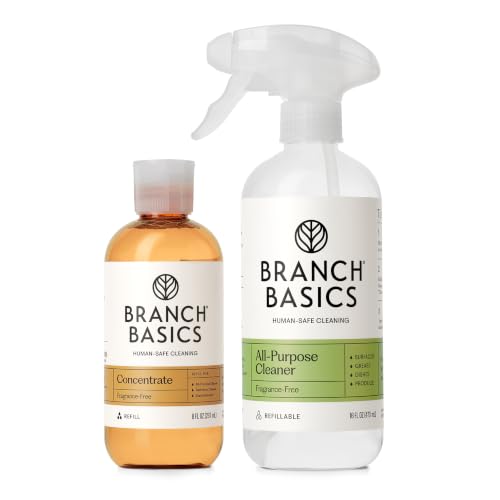
These have been verified as no concern or low concern on the Environmental Working Group website.
A home doesn’t need to smell strongly fragranced to be clean. Air fresheners, plug-ins, room sprays, wax melts, scented candles, and fragrance diffusers can release fragrance chemicals and other compounds into the air your pets breathe. These products can also settle onto floors, furniture, bedding, and fur, where pets may be exposed again through grooming.
We prefer to reduce artificial home fragrance rather than mask odors with another scent, especially in homes with cats, birds, pets with respiratory sensitivities, or animals that spend most of their time indoors.
When choosing products for a pet-friendly home, we avoid or limit:
Essential oils are natural, but that doesn’t automatically make them safe for pets. Diffusers disperse small droplets or volatile compounds into the air, creating opportunities for inhalation and, depending on the type of diffuser, deposition onto fur and household surfaces.
Cats deserve particular caution because they metabolize certain compounds differently than people do. Birds are also extremely sensitive to airborne contaminants and fragrances.
We prefer not to continuously diffuse essential oils around pets, particularly in enclosed spaces. Oils should also be stored where pets cannot lick them, knock over bottles, or get concentrated oil on their skin or fur.
If we use candles around pets, we prefer unscented or very lightly scented candles with simple ingredients, good ventilation, and a clean-burning wick. We avoid heavily fragranced candles and never leave a burning candle where a pet can knock it over or get close enough to singe fur or whiskers.
For everyday odor control, our first choices are much simpler: fresh air, ventilation, regular cleaning, washing pet bedding, HEPA air filtration, and addressing the actual source of the odor.
A truly pet-friendly home doesn’t have to smell like lavender, vanilla, or “fresh linen.” Clean doesn’t have a scent.
These have been verified as no concern or low concern on the Environmental Working Group website.
Featuring essential oils and baking soda to eliminate unwanted odors from our pets and home. Replaces not only wasteful single-use plastic air freshener bottles but also gets away from those harmful chemicals filling the air. Use on your pet and their favorite spots throughout the house.
We earn a commission if you make a purchase, at no additional cost to you.
Candles for everyone (and pet owners)! Handcrafted 100 percent soy candles with Phthalate-free fragrance. They are available in 6 scents with 2 sizes offered for each scent.
We earn a commission if you make a purchase, at no additional cost to you.
What we store and serve our pets’ food and water in matters too. Bowls, storage containers, silicone molds, lick mats, and other feeding products come into direct contact with something our pets consume every day, so we prefer materials that are durable, easy to clean, and made for food use.
Our preferred choices include stainless steel, glass, food-grade silicone, and carefully selected ceramic.
Plastic bowls and containers can become scratched and worn over time, creating areas that are harder to clean thoroughly. Plastic can also retain odors and oils.
When practical, we prefer stainless steel, glass, or high-quality food-grade silicone instead—especially for items that are used every day.
For dry pet food, we recommend keeping the food inside its original bag and placing the entire bag inside a clean, sealed storage container rather than dumping the food directly into a plastic bin. The original packaging is designed to help protect the food and also preserves the lot number, expiration date, and other information you’ll need if there’s ever a recall.
For raw, gently cooked, or homemade pet food, glass, stainless steel, and high-quality food-grade silicone containers are good choices. Silicone molds are especially convenient for portioning homemade food, bone broth, toppers, and treats before freezing.
Food and water bowls should be washed regularly rather than continually topped off. Water bowls can develop biofilm, while food bowls accumulate saliva, oils, and food particles.
Our rule of thumb: choose materials that are food-grade, nonporous or easy to thoroughly clean, and made by manufacturers that are transparent about what their products contain.
Our pets experience the yard much differently than we do. They walk barefoot through the grass, roll on the lawn, dig in the soil, chew on plants, and then lick their paws and fur. That makes lawn and garden products an important source of potential exposure.
We prefer to keep our yards as chemical-free as reasonably possible and avoid routine use of synthetic pesticides, herbicides, and other lawn treatments when safer alternatives can do the job.
We try to avoid:
Even products marketed as “natural” or “organic” aren’t automatically safe for pets. Concentrated essential oils, certain plant-derived pesticides, fertilizers, and other natural ingredients can still cause problems if swallowed, inhaled, or contacted in sufficient amounts.
For weeds, we prefer hand pulling, mulching, mowing, and other mechanical methods whenever practical. For insects and other pests, the first step should be identifying the specific problem rather than routinely treating the entire lawn.
If a lawn or garden product is necessary, read the complete label and follow all application and re-entry instructions. Keep pets away during application and don’t allow them back onto treated areas until the product has dried or for however long the manufacturer specifies.
Be especially careful with fertilizers, pesticides, herbicides, and concentrated garden products stored in garages or sheds. A pet getting into the container can be much more dangerous than incidental contact with a properly used product.
Our goal isn’t a perfectly manicured lawn at any cost. We would rather have a few weeds and a yard where our pets can safely sniff, roll, run, and play.
Pest control is one area where we believe prevention and targeted treatment should come before routinely spraying chemicals throughout the home or yard. Dogs and cats can be exposed by walking across treated surfaces, lying on floors, licking their paws, investigating bait stations, or eating insects and rodents that have been poisoned.
We prefer to start with the least toxic approach that will effectively address the problem.
We avoid or use extreme caution with:
Whenever possible, we start by making the environment less inviting to pests. Seal cracks and entry points, eliminate standing water, store food securely, keep garbage covered, clean up crumbs and spills, and address moisture problems that attract insects.
For ants and crawling insects, physical barriers and carefully placed enclosed bait stations may reduce widespread pesticide exposure. Any bait or trap should be positioned where pets cannot lick, chew, carry, or otherwise access it.
For fleas and ticks in the yard, regular mowing, removing leaf litter and brush, keeping vegetation trimmed, and reducing wildlife-friendly hiding areas around the home can help reduce habitat without routinely treating the entire property.
Don’t rely solely on the words natural, organic, green, or pet-safe on the front of a package. Turn it over and look at the active ingredients.
Some substances derived from plants can still be harmful to animals, particularly when concentrated. Cats can be especially sensitive to certain essential-oil compounds.
Our goal is simple: use the least toxic method that actually solves the problem while minimizing our pets’ exposure.
Antifreeze is one of the most dangerous products commonly stored in garages and around vehicles. Traditional automotive antifreeze often contains ethylene glycol, which is extremely toxic to dogs and cats. Even a relatively small amount can cause severe poisoning, including acute kidney failure and death.
When choosing antifreeze, we recommend looking for a product made with propylene glycol instead of ethylene glycol. Propylene glycol is substantially less toxic than ethylene glycol and is considered a safer alternative for households with pets. However, it is not harmless and should never be considered safe for a pet to drink.
Don’t rely only on words such as “pet-friendly,” “safer,” or “low-toxicity.” Turn the container over and check the actual ingredients.
We prefer:
We avoid:
This distinction is particularly important for cats. Although propylene glycol is less acutely toxic than ethylene glycol, cats are especially sensitive to repeated propylene glycol exposure, so all antifreeze products still need to be kept completely inaccessible to pets.
Never leave an antifreeze puddle or vehicle leak where a pet can reach it. Clean spills immediately and securely store containers in an area inaccessible to animals. Antifreeze exposure can also occur from leaking vehicles, garages, storage sheds, and winterized RV plumbing.
If you suspect your dog or cat has licked or swallowed antifreeze, do not wait for symptoms to appear. This is an emergency. Ethylene glycol is rapidly absorbed, and treatment is most successful when started very early. A pet may even appear temporarily better while serious internal damage is developing.
Bottom line: There really isn’t a completely “pet-safe” antifreeze. If antifreeze is needed, we prefer a propylene glycol-based product as the lower-toxicity choice and keep it completely out of reach of pets.
Reducing potentially harmful products around the home is only part of creating a healthier environment for our pets. The air they breathe and the water they drink every day matter too.
Dogs and cats spend much of their lives close to the floor, where dust, dander, cleaning-product residues, pollen, mold spores, and other particles can accumulate. They also drink the same household water day after day, making air and water quality worth considering as part of a more holistic approach.
A good air purifier can help reduce airborne particles such as pet dander, dust, pollen, smoke, and some mold spores.
We prefer air purifiers with:
Air purifiers work best when combined with regular vacuuming, washing pet bedding, controlling indoor humidity, changing HVAC filters, and addressing the source of mold, smoke, or odors rather than simply trying to cover them up.
Water quality varies considerably depending on where you live and whether your home uses municipal or well water.
We prefer giving pets fresh, clean drinking water in a regularly washed stainless steel, glass, or high-quality food-grade silicone bowl.
Depending on what’s actually present in your water, filtration may help reduce substances such as chlorine, sediment, certain metals, and other contaminants. But not every filter removes the same things. We recommend choosing a filtration system based on your actual water quality rather than assuming any pitcher or countertop filter removes everything.
If you’re concerned about your home’s water, consider having it tested first. That gives you a much better idea of what—if anything—needs to be filtered.
And remember to wash water bowls regularly. That slippery coating you sometimes feel inside a pet’s bowl is biofilm, and continually topping off the bowl without washing it allows it to build up.
Fresh water + a clean bowl + appropriate filtration when needed is a simple combination that can make your pet’s everyday environment a little healthier.
AquaTru water purifiers use patented 4-Stage Reverse Osmosis purification that transforms your tap water into pure, delicious, clean water you can trust.
Certified to remove 84 contaminants, including: Forever chemicals' (PFOA & PFOS), Microplastics, Fluoride, Chlorine,Chloramines,Lead,Chromium ,Arsenic,Nitrates,Pesticides & Herbicides
We earn a commission if you make a purchase, at no additional cost to you.
Best-selling, award-winning air purifier ideal for medium to large rooms in your home like primary bedrooms, living rooms, kitchens, & more.
We earn a commission if you make a purchase, at no additional cost to you.
Our pets spend hours every day sleeping on beds and blankets, playing with toys, and lying on rugs, furniture, and other fabrics. Because these items are in such close contact with their skin, fur, paws, and mouths, we pay attention to what they’re made from and what they’re treated with.
When possible, we prefer pet beds and blankets made with washable, durable materials and minimal chemical treatments. Removable covers are especially helpful because they can be washed frequently without having to replace the entire bed.
We look for:
New beds, rugs, and other fabric products can sometimes have a noticeable chemical odor when first opened. We prefer to air these products out in a well-ventilated area before giving them to our pets, particularly if the odor is strong.
Pet toys deserve extra attention because dogs and cats don’t just touch them—they put them in their mouths, lick them, chew them, and sometimes swallow pieces of them.
We prefer toys made by companies that clearly identify their materials rather than products with little or no information about what they’re made from.
Depending on the type of toy, we look for materials such as natural rubber, food-grade silicone, untreated natural fibers, and well-constructed washable fabrics.
We avoid toys with:
Even a toy made from better materials can become dangerous once it’s damaged. Regularly inspect toys and replace them when pieces begin breaking off, seams open, or the material starts deteriorating.
Collars, harnesses, bandanas, sweaters, and other pet clothing also sit directly against the skin. We prefer washable products without heavy fragrance or unnecessary chemical treatments and wash new fabric items before regular use when appropriate.
The same principle applies throughout the home: we can’t eliminate every exposure, but we can make thoughtful choices about the products our pets sleep on, play with, chew, and wear every day.
Free shipping.
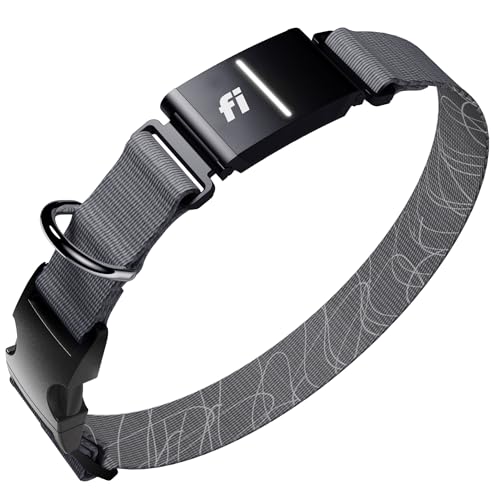
GPS trackers and smart collars have become increasingly popular for helping locate lost pets and monitoring activity. We also receive a lot of questions about the electromagnetic fields (EMFs) produced by these devices and whether wearing a wireless device close to a pet’s body all day could affect their health.
At this time, there isn’t strong evidence showing that the low-level radiofrequency exposure from pet GPS trackers causes health problems in dogs or cats. However, research specifically looking at long-term, continuous exposure from wearable devices in pets is limited.
For pet parents who prefer a precautionary approach, there are simple ways to reduce unnecessary exposure without giving up the safety benefits of a tracker. Consider removing the device when your pet is safely indoors, using it primarily when traveling, hiking, or spending time outside, and choosing a tracker that doesn’t need to remain active against the body 24 hours a day.
We believe this is an area where it’s reasonable to stay informed as technology and research continue to evolve—without creating unnecessary fear around a tool that can also help reunite a lost pet with their family.
Don’t forget to visit our page all about Pet Shampoos!
Many common products like cleaning sprays, air fresheners, scented candles, laundry detergents, and lawn chemicals can expose pets to harmful ingredients. Because pets spend more time on floors, groom themselves, and breathe in close proximity to surfaces, even small exposures can build up over time.
Start with the areas your pet has the most contact with—floors, bedding, food and water, and your yard. Swapping out just a few high-exposure items like cleaners, lawn products, and air fresheners can make a meaningful difference without feeling overwhelming.
Not always. Many products labeled “natural” still contain fragrances, essential oils, or plant compounds that can irritate a pet’s skin, lungs, or nervous system. It’s important to look at the full ingredient list and choose products specifically formulated to be safe for dogs and cats.
Not always. Many lawn treatments, including fertilizers, weed killers, and pest control products, can leave residues that are absorbed through your pet’s paws or ingested during grooming. Even products labeled “pet safe” can still cause irritation or long-term exposure concerns. Choosing truly non-toxic lawn alternatives or limiting access after treatments is a safer approach.
Yes. Pets are often more sensitive to environmental exposures than we are. Air purifiers can help reduce dust, dander, mold, and airborne chemicals, while water filters remove contaminants like chlorine, heavy metals, and other impurities. Supporting cleaner air and water can reduce overall toxic load and support long-term health, especially for pets with allergies or chronic conditions.
Dr. Judy Morgan (2025 Holistic Vet of the Decade): “Crucial Role of Indoor Air Quality on Pets & Humans.”
Dr. Judy Morgan (2025 Holistic Vet of the Decade): “Environmental Toxins & The Forever Dog Life” with Dr Karen Becker and Rodney Habib.
“Radiofrequency Electromagnetic Fields May Affect Heart Health, new EWG Analysis Finds” by Uluma Uches, PhD, Tasha Stoiber, PhD, and Olga Naidanko, PhD.
“Ask the Vet! Protect your Pets from EMFs!” by Dr. Odette Suter, DVM.
“Are You Using Air Fresheners and Candles in Your Home?” by Dr. Karen Becker and Rodney Habib.
“Household Items That Are Toxic To Cats” by The Two Crazy Cat Ladies.
If you have a question on this topic that wasn’t answered here, we invite you to ask it in our Facebook group.
Take a look at the content above for the recommendations in each category.
The graphics presented herein are the intellectual property of the identified original creators, used with permission here, or are the result of our own development. Any use for resale or commercial purposes requires explicit written consent from the content creators.
We’ve poured our hearts into creating this website for you, and we’re still bustling with excitement to keep it going! As a team of volunteers, we’re using our own resources to bring this information to life. There are many ways you can show your support for our efforts. We greatly appreciate it! If we’ve been able to help you on your journey to a healthier pet, we would love it if you consider showing your support.